Before I left for my research trip to the southern port city of Mokpo this weekend, a Korean friend of mine reminded me to go prepared with the requisite ethnographer's accoutrement - the #18 (십팔번).
In addition to field equipment, recording devices, cameras, and notebooks, a fieldworker studying the performing arts in Korea should always have a memorized song (preferably trot or p'ansori) in their ethnographic toolkit. At any given moment, the ethnographer can be summoned to sing their #18 ("one's favorite song") standing alone, in a very public space - without the benefit of lyrics to follow on a karaoke TV screen. Once the singing has begun, the duipuri has already gotten into full swing and participation becomes mandatory. The singer is evaluated by how much emotion he/she puts into the performance, and in the case of foreign researchers - the singing is often viewed as a test of how well one can hang with the crowd.
Over the years, I've acquired a small number of songs in my repertoire. This time, I was hoping to add a new song - the famous "Tears of Mokpo" (목포의 눈물) to my bag of tricks, but alas, time did not permit. (It turned out that there was no singing session anyway, somewhat to my relief.)
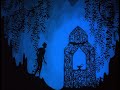
While frantically packing for the trip, a quick internet search led me to YouTube and this lovely clip of Lee Nan Young herself, performing her #18.




5 comments:
Do you know the etymology of 18번? I remember learning it in class but being mystified by how that could mean one's favorite song.
So you sing this song too?
The etymology is just: 十八番 and from what I understand, the term is borrowed from Japanese. Number 18 (or juhachiban in Japanese) is a reference to the total number of kabuki plays...I share your confusion in seeing where the exact connection lies between the popular slang (um, among others meanings of the word!^^) and the more technical Japanese term. I looked on Naver and found a couple explanations:
http://kin.naver.com/detail/detail.php?d1id=6&dir_id=601&eid=vZ846U0T1TYfiyO2peSplXnvcXWxsrS7&qb=v9YgMTi5+MDMtvOw7SC6zrijtMKwxb+hv+Q/&enc=euc-kr
also found this too on a japanese language board:
To answer your question, the expression "juhachiban" comes from kabuki. It refers to the 18 classic works of kabuki great Ichikawa Danjuro. The list of eighteen plays was actually drawn up by Danjuro VII in the 1830's and, rather than all being great plays, they were all works that featured "aragoto" scenes that were his speciality. So referring to one's own "juhachiban" means something that shows you at your best. It's most often used when people sing karaoke, and refers to the song they are most confident singing.
http://www.japan-zone.com/cgi-sys/cgiwrap/tokyoguy/yabb2/YaBB.pl?action=print;num=1135639933
drone...i'm working on it. it's at about a #3 right now. maybe i'll have it ready by the time i go back to the states.
Post a Comment